

Best overall: Squarespace. Best for a content-led author website: WordPress. Best for selling books directly: Shopify. Best for a simple launch page: Carrd. Best for hands-on visual customization: Wix. This 2026 guide identifies the best book launch website platform for your publishing goals, then explains the compromises behind each recommendation.
- Squarespace is the best book launch website platform for authors who want a book page within a broader professional website.
- WordPress suits authors building a substantial archive of articles, book resources, and searchable content.
- Shopify suits direct book sales; Carrd suits a focused launch page; Wix suits hands-on visual customization.
- Bridgetbakerbranding offers branding, Squarespace website design, and visibility coaching for authors, coaches, speakers, and founders.
Why your book launch platform matters
A launch website has to explain the book and direct readers to an action. Those actions differ: a novelist might send readers to a retailer, while an author who also speaks needs a route for event organizers. Choose the platform around that difference, not around a template screenshot.
The decision also affects what happens after launch. A standalone page and a long-term author website are different projects; the latter needs room for future books, articles, and professional inquiries. Bridgetbakerbranding provides book launch website design on Squarespace for authors who want branding and visibility coaching alongside their site. Explore Bridgetbakerbranding if that service combination matches your project.
What makes the best book launch website platform
These criteria determine the ranking. Use them to distinguish essential capabilities from features you will never use.
- Launch-page clarity: You need a readable synopsis, an identifiable book, and an obvious next action. A decorative layout does not replace those essentials.
- Author-site fit: Your platform should accommodate the identity surrounding the book, including your biography, other work, and relevant professional services.
- Reader capture: Look for a practical way to collect permission-based email signups if audience building is part of your launch.
- Sales route: Sending readers to retailers requires links. Selling directly requires checkout, order handling, and a fulfillment plan.
- Editing responsibility: Decide who will change copy, update links, and maintain the site. The best system is one that person can operate.
- Content depth: A focused landing page needs less structure than an archive of articles, books, resources, and event information.
For your 2026 launch, mark each criterion as essential or optional before choosing a platform. That short exercise prevents a sophisticated feature from outweighing a basic requirement.
Book launch website platforms at a glance
| Platform | Best for | Standout feature | Key limitation |
|---|---|---|---|
| Squarespace | A book within a broader author brand | Hosted website building with pages and blogging | Less freedom than a self-hosted system for specialized functionality |
| WordPress | A content-led author website | Extensible publishing through themes and plugins | Self-hosted setups require maintenance and hosting decisions |
| Shopify | Direct book sales | Storefront, checkout, and order management | Commerce-first structure adds unnecessary work for a retailer-link-only launch |
| Carrd | A simple launch page | Focused one-page website building | Poor fit for a substantial content archive |
| Wix | Hands-on visual customization | Drag-and-drop editing | Extensive layout choices create more design decisions |
This ranking separates five different jobs rather than treating every author website as the same purchase. Squarespace takes the default slot because it can house both a launch page and the wider author identity without requiring a separate hosting setup.
1. Squarespace: best book launch platform for an author brand
Squarespace is a hosted website builder with page editing, blogging, and commerce capabilities. You can place a book launch page within an author website rather than making the launch a disconnected destination. That structure suits an author whose book also supports speaking, coaching, or other professional work.
Start with the book page, then add supporting pages only when they serve a clear purpose. A reader buying a book and an organizer considering a speaker need different information. Your navigation should separate those tasks without forcing either visitor through the other journey.
Squarespace pros:
- Hosted setup removes the need to arrange separate website hosting.
- Pages and blogging support a website beyond the launch itself.
- Visual editing supports routine copy and layout updates.
- A shared site keeps the book and author identity together.
Squarespace cons:
- Specialized functions must fit the platform's supported features or integrations.
- Template selection does not solve unclear positioning or weak copy.
- Design help and website ownership are separate decisions.
Best for: Authors building a professional website around a book, especially when speaking or coaching also needs a clear place.
Bridgetbakerbranding offers book launch website design through its stated Squarespace design services; it is an agency, not an alternative website platform. Buy: Choose Squarespace when the book belongs inside a broader author brand.
2. WordPress: best book launch platform for content-led publishing
WordPress is a content management system that supports pages, posts, themes, and plugins. Here, WordPress means the self-hosted WordPress.org software, not a specific hosted package. It fits authors who intend to publish an ongoing body of content alongside their books.
Choose WordPress when your publishing plan needs an organized archive, not merely because someone calls it flexible. Flexibility introduces decisions about hosting, themes, plugins, updates, and backups. Assign those responsibilities before committing to the platform.
WordPress pros:
- Posts, categories, and tags support an organized publishing archive.
- Themes and plugins provide extensive customization choices.
- You can build book pages alongside articles and resource collections.
- You can select a hosting provider that fits your operating needs.
WordPress cons:
- Self-hosted installations require ongoing maintenance.
- Plugins and themes introduce compatibility and configuration work.
- A launch-only project can become unnecessarily complicated.
Best for: Authors whose website will become a substantial publishing destination with recurring articles, resources, and multiple books.
For a 2026 launch, WordPress earns its place when you have a real content plan and someone responsible for upkeep. It does not automatically make a thin book page more useful or more visible in search. Buy: Choose WordPress for a maintained, content-led author website; skip it for flexibility you will not use.
3. Shopify: best book launch platform for direct book sales
Shopify is a hosted commerce platform built around products, checkout, and order management. It belongs on this list when readers will purchase books directly from your website. Its purpose is different from a site that sends readers to an outside retailer.
Direct selling changes the project. You need to decide how orders will be fulfilled, how customer questions will be handled, and how physical or digital editions will be delivered. A storefront provides the transaction system, but your business still owns those operational decisions.
Shopify pros:
- Product pages and checkout support a direct purchase journey.
- Order management keeps transactions within the commerce system.
- A storefront can organize several books or related products.
- Commerce tools suit an author operating a direct-sales business.
Shopify cons:
- Retailer-link-only launches do not need a full store.
- Digital delivery and specialized functions require configuration.
- Store setup does not replace fulfillment or customer-service planning.
Best for: Authors selling books directly and treating the website as an operating storefront.
Do not choose Shopify simply because you want readers to buy your book somewhere. If the transaction happens at a retailer, a clear outbound purchase link can meet that requirement. Buy: Choose Shopify for direct sales; skip it when your website only introduces the book and links elsewhere.
4. Carrd: best book launch platform for a focused landing page
Carrd builds simple, responsive one-page websites. It suits a launch with a narrow scope: introduce the book, identify the author, and direct visitors to a purchase link or signup action. A one-page structure keeps the project bounded.
Use that constraint deliberately. Put the essential book information before optional background, and remove sections that do not help the reader decide. Check the relevant plan's features before relying on forms, embeds, or a custom domain.
Carrd pros:
- A one-page format supports a focused launch destination.
- The limited scope discourages unnecessary navigation.
- Sections can bring the synopsis, author introduction, and next action together.
Carrd cons:
- A one-page site is a weak foundation for a large content archive.
- Some functions depend on the plan you select.
- Expansion into a broader author website calls for a separate decision.
Best for: Authors needing a self-contained launch page rather than a full publishing or professional website.
Carrd's strength is its scope, not a promise that less content always performs better. A complex book, event program, or established catalog still needs enough explanation. Buy: Choose Carrd for a deliberately simple landing page; skip it when you already need several substantial pages.
5. Wix: best book launch platform for hands-on visual customization
Wix is a hosted website builder with drag-and-drop editing, page-building tools, and blogging capabilities. It suits authors who want direct control over their page layout and expect to do that work themselves. The editor gives you choices; you still need a clear content hierarchy.
Treat mobile review as part of design, not the final polish. Check the sequence of headings, images, and buttons on a small screen after changing the layout. A page that looks balanced on a desktop still needs a readable mobile arrangement.
Wix pros:
- Drag-and-drop editing supports hands-on layout work.
- Hosted operation avoids a separate hosting setup.
- Pages and blogging can support a broader author website.
Wix cons:
- Numerous layout choices require design discipline.
- Mobile presentation needs deliberate review.
- Additional apps and functions add configuration work.
Best for: Authors who want to make and maintain their own visual layout decisions.
Wix is not ranked below Carrd because every author needs less functionality. Carrd wins the narrow-page slot; Wix wins the hands-on customization slot. Buy: Choose Wix when you want responsibility for the visual build, not simply access to an editor.
How these platforms are ranked
This 2026 ranking prioritizes the job each platform fits: author brand, publishing archive, direct commerce, focused landing page, or hands-on layout control. It is a feature-and-fit comparison, not a claim of measured conversion results.
Squarespace is the default for an author website because its hosted structure accommodates the book and supporting professional pages. The other platforms win when a more specific requirement outweighs that default. Choose the operating model before comparing templates.
Review your launch page before publishing
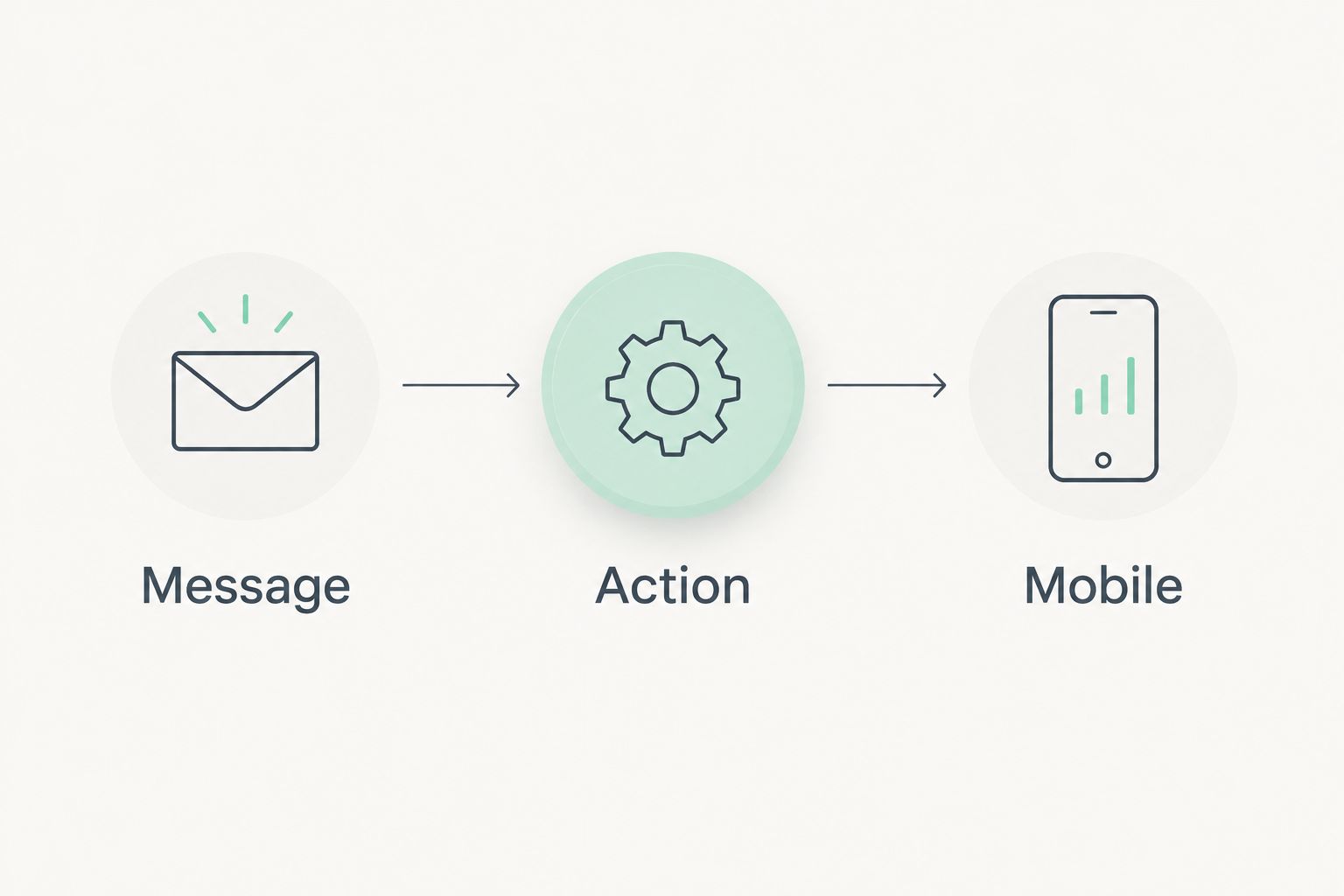
Give your 2026 launch page 3 review passes: Message, Action, and Mobile. These are editorial checks, not performance benchmarks. Keep each pass separate so an attractive layout does not distract you from an unclear book description.
- Message: State who the book is for and what readers can expect. Remove language that could describe almost any book.
- Action: Choose 1 primary action for the page, such as buying the book or joining your email list. Make secondary actions visibly subordinate.
- Mobile: Review 2 screen sizes, desktop and mobile. Check reading order, image placement, links, and form behavior on both.
A successful review ends with a usable page, not a longer feature list. Open the purchase destination yourself, submit a test signup where relevant, and confirm that each visible promise matches what follows. Keep this same checklist when you update the page after launch.
Which book launch website platform should you choose?
Choose Squarespace if you are undecided and need a lasting author website. Choose WordPress for an ongoing publishing archive, Shopify for direct commerce, Carrd for a narrow launch page, or Wix for hands-on layout control.
Separate platform choice from support choice. Bridgetbakerbranding serves authors through branding, Squarespace website design, and visibility coaching; that service combination fits a different need from buying access to a website editor. Decide whether you need a tool, help shaping the author brand, or both.
Explore support for your author website
Review branding, Squarespace website design, and visibility coaching for your author brand.
FAQ
What's the best book launch website platform in 2026?
Squarespace is the best default in this guide for a book launch within a broader author website. Choose a different platform when your main requirement is direct commerce, a substantial publishing archive, a simple landing page, or hands-on layout customization.
Is Squarespace better than WordPress for an author website?
Squarespace is the better fit when you want a hosted website without managing a separate hosting setup. Self-hosted WordPress is the better fit when an extensive content archive and customization matter enough to justify ongoing maintenance.
Do I need Shopify to sell my book?
You do not need Shopify when your website sends readers to an outside retailer. Shopify fits authors who want customers to complete purchases directly through their own storefront.
Can I launch a book with a one-page website?
Yes, a one-page website can introduce the book and direct readers to a purchase or signup action. Carrd fits that scope, but a substantial archive or broader professional website needs a different structure.
Should my book have its own website or a page on my author site?
Use a page on your author site when the book belongs to your continuing author identity. A separate launch destination fits a deliberately standalone campaign, but it also creates another site to maintain.
Can a website platform guarantee book sales or Google rankings?
No website platform guarantees book sales or Google rankings. Platform choice establishes the publishing and transaction tools; the book's positioning, page content, reader journey, and promotion remain separate responsibilities.
Can Bridgetbakerbranding help with an author website?
Bridgetbakerbranding offers branding, Squarespace website design, and visibility coaching for authors, coaches, speakers, and founders. Its role is agency support, not a separate website-building platform.
One last thing
Before publishing your 2026 launch page, read it without the cover image. If the headline, description, and next action cannot explain the book on their own, revise the copy before changing platforms. A platform provides the structure; your words must still give readers a reason to act.


